Robotic Surgery in Gynecology: How It Works and Its Key Benefits
Robotic surgery has become one of the most significant advancements in modern gynecologic surgery. By combining the expertise of the surgeon with advanced robotic technology, this approach allows many complex procedures to be performed with greater precision through small incisions.
Despite its growing popularity, many women still wonder: Does the robot perform the surgery on its own? And is robotic surgery safe?
What Is Robotic Gynecologic Surgery?
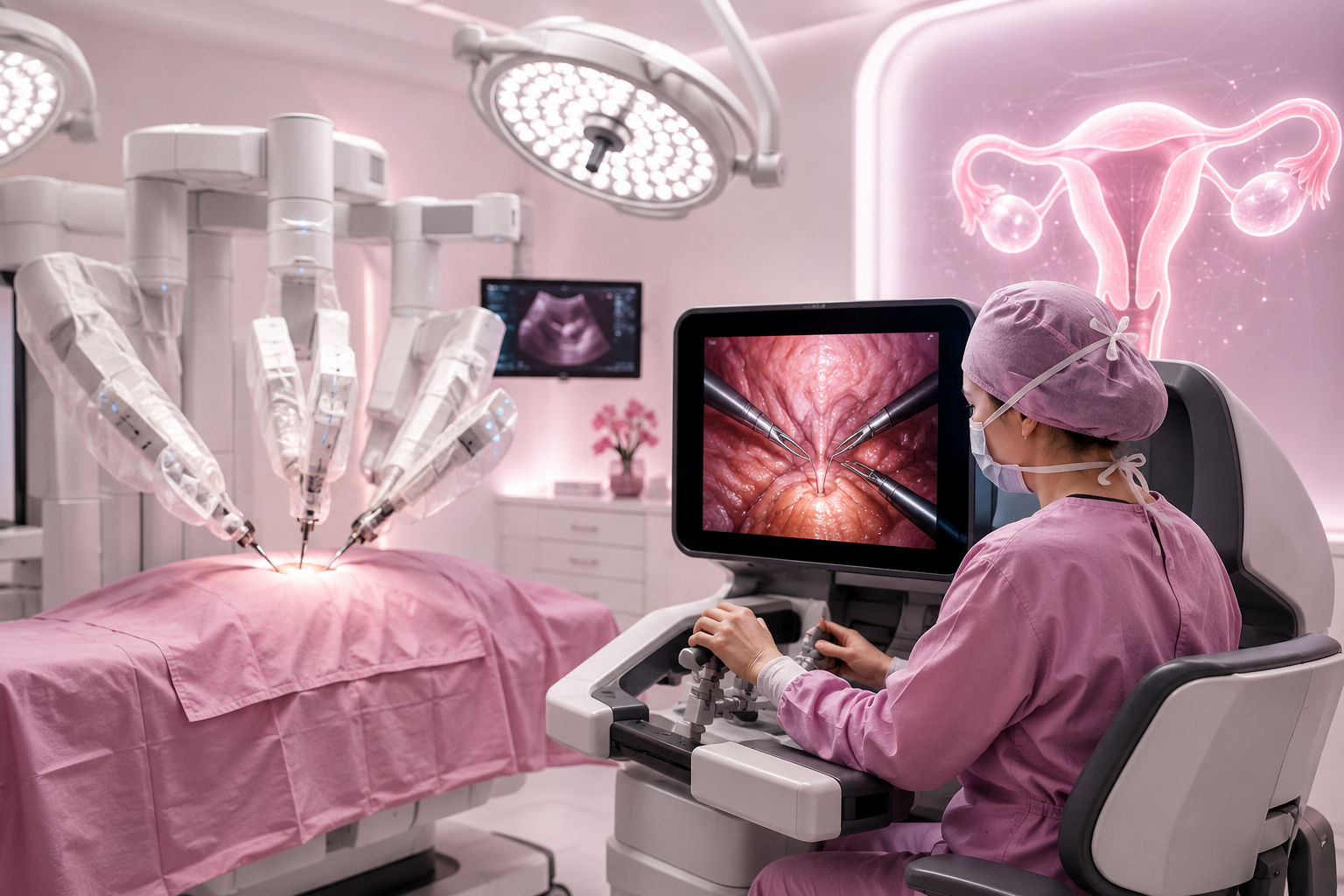
Robotic surgery is a type of minimally invasive surgery that uses an advanced robotic system to assist the surgeon during the procedure. One of the most widely used systems is the Da Vinci Surgical System, which provides a high-definition, three-dimensional view of the surgical area.
It is important to understand that the robot does not operate independently. The surgeon remains in complete control throughout the procedure, using a specialized console to guide the robotic instruments with exceptional precision.
How Does Robotic Surgery Work?
During the procedure, several small incisions are made to allow the insertion of surgical instruments and a tiny camera. The surgeon operates from a nearby console, viewing a magnified, high-definition image of the surgical field.
The robotic arms translate the surgeon’s hand movements into highly precise actions, providing greater flexibility and control, particularly in delicate areas within the pelvis.
When Is Robotic Surgery Used in Gynecology?
Robotic surgery may be recommended for a variety of gynecologic conditions, including:
- Uterine fibroids
- Endometriosis
- Hysterectomy in selected cases
- Certain gynecologic cancers
- Complex pelvic surgeries
- Procedures requiring precise tissue preservation
The most appropriate surgical approach depends on each patient’s condition and medical evaluation.
What Are the Benefits of Robotic Surgery?
Less Postoperative Pain
Because robotic surgery is performed through small incisions, patients often experience less pain compared with traditional open surgery.
Reduced Blood Loss
The enhanced precision of robotic instruments may help minimize bleeding during surgery.
Faster Recovery
Many patients can return home sooner and resume their normal daily activities more quickly than after conventional surgery.
Greater Surgical Precision
Advanced imaging and precise instrument control allow surgeons to perform complex procedures with a high level of accuracy.
Preservation of Healthy Tissue
In selected cases, robotic surgery can help preserve surrounding healthy tissues, which may be particularly important for women who wish to maintain fertility.
Is Robotic Surgery Safe?
Robotic surgery is widely used around the world and has become an established option in many gynecologic procedures. As with any surgery, outcomes depend on several factors, including the patient’s condition, the complexity of the procedure, and the experience of the surgical team.
A thorough consultation with your physician is essential to determine whether robotic surgery is the most suitable option for your individual case.
Conclusion
Robotic surgery has transformed the field of gynecology by offering a minimally invasive approach with enhanced precision, reduced discomfort, and faster recovery. As technology continues to advance, robotic-assisted procedures are playing an increasingly important role in improving women’s healthcare and surgical outcomes.
TAGS:
